
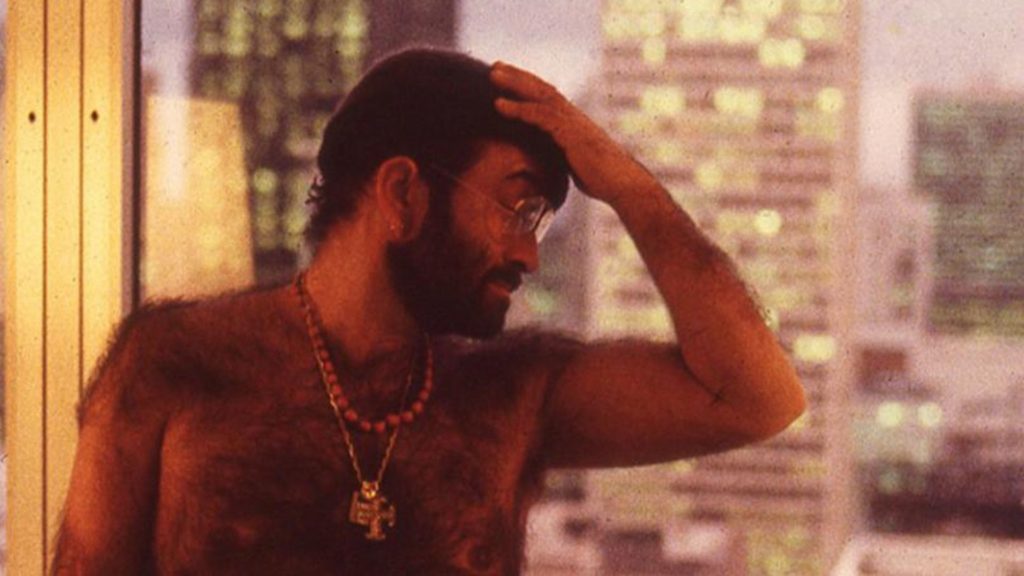
Lucio Dalla looked like your eccentric uncle—the one who reads Rimbaud in dialect and believes jellyfish are psychic. He wore fisherman’s caps and round glasses like he was both blind prophet and jazz pirate. But behind that disarming appearance was one of Italy’s most unclassifiable musical minds: part chanson, part prog, part street ballad, part prayer.
He didn’t write songs. He built them like strange, little cities—populated with time travelers, prostitutes, saints, circus dwarfs, and astronauts on their lunch breaks.
The Poet of Bologna’s Shadows
Dalla was Bologna incarnate: intellectual, subversive, warm, anarchic. He could evoke the smell of a backstreet trattoria, a church bell in the fog, or the quiet ache of two men loving in a country not ready for them.
Caruso became a global hymn, but listen to something like Com’è profondo il mare—where he's not just singing, he's unspooling existentialism with a disco-folk beat. It’s angry, it’s funny, it’s divine. And it rhymes.
He wrote about God, sex, death, politics—sometimes in the same verse. And always with that slightly nasal voice that felt like it was whispering secrets meant just for you.
Palermo, Walkmans, and Smoky Tape Decks
Growing up in Palermo in the ’80s, Dalla was everywhere. His songs floated from apartment balconies, filled the dusty speakers of boom boxes, leaked out of cassette decks in beat-up Fiats. He was a companion to those long summer nights when the air was thick with salt and scooters, when even the shadows had a soundtrack.
We didn't always understand what he meant—Anna e Marco, Balla balla ballerino, La sera dei miracoli—but we felt it. There was something in his music that made you look up at the stars and wonder if they, too, were listening.
Jazz DNA, Futurist Dreams
Before the singer came the clarinetist. Dalla cut his teeth in Italian jazz clubs before opening his music to every possible soundwave. He played with the soul of a bebop monk and the curiosity of someone who might ask a refrigerator to collaborate on his next album.
Albums like Automobili or Lucio Dalla (1979) sound like they were made by a man who'd just come back from the future and wasn’t sure whether to laugh or scream. Synths swirl, lyrics bite, and yet it all stays heartbreakingly human.
He was never a brand. He was a frequency. You had to tune in—or risk missing the signal.
The Open Secret
Lucio never came out publicly, but his queerness was an open secret that colored everything with tender subversion. He wrote Anna e Marco like a coded lullaby. He lived like someone who knew that love—and music—could never truly hide.
When he died in 2012, the public funeral in Bologna turned into a spontaneous choir. Strangers wept together, not because he was gone, but because he saw them—odd, quiet, ridiculous, brave—and made them into lyrics.
Final Notes from the Stratosphere
Lucio Dalla was the kind of artist who could make a song about a diver (Il parco della luna) sound like a commentary on the state of the soul. He believed in time travel and opera, in love and absurdity. He might’ve been the only man to write a cosmic ballad to Enrico Caruso and make it a karaoke staple.
Somewhere out there, a satellite is probably still picking up his frequencies. The jazz clarinet bouncing through moonlight. The poet in the alley, still muttering verses into the steam rising from a manhole.
And me? I’m still that Palermo kid with a Walkman, rewinding Futura in the dark—hoping she shows up this time.
